Note: This blog post is an updated and refreshed version of our original article published in 2020. We have added the latest trends and strategies for 2025 to ensure it remains relevant and actionable for today’s e-commerce landscape.
According to a Nasdaq report, it is estimated that 95% of the purchases will be through ecommerce stores by the year 2040. Now, this is the perfect opportunity for you to open an e-commerce store. If you are an independent merchant just starting with your initial store or a store owner looking to grow your empire, this guide will help you get there with 13 SEO optimized steps for 2025.
Steps Involved in the Ecommerce Website Development Process
1. Decide Your Product
The first and most important step is to determine what you wish to sell. Once you know what you wish to sell, the other steps will become much easier to follow and you can align your steps according to the product you decide to sell.
Hyper-personalisation is the big thing of 2025. Stand out by choosing a niche that resonates with current consumer demands:
- Eco-Friendly Products: Eco friendly packaging, Recyclable products, and products of natural origin respectively.
- Smart Gadgets: Smart home applications, connected home devices, and wearables reliance.
- Health & Wellness: Protein shakes, clothing, or stress relievers.
That is why selecting a narrow specialization allows you to target the audience and become the recognized leader in the spheres you cover.
2. Figure Out Your Ecommerce Business Model
Once you know what you wish to sell, it is time to decide whether you wish to sell your product to other businesses (a B2B model) or to individual customers (a B2C model). You should be very careful while making this choice because what seems perfect for an individual might not be as effective for a business organization.
Choose an ecommerce business model that matches with your business goals:
- B2C (Business-to-Consumer): Business-to-Consumer model which entails directly selling products to consumers using Channels such as Shopify or Wix.
- B2B (Business-to-Business): Sales of products in large quantities to other establishments.Evaluation of Merchandise:
- DTC (Direct-to-Consumer): The elimination of the concept of middlemen and selling products directly to the customers from your website.
- Subscription-Based Models: Expanding in 2025 and generating stable income flows in terms of revenue.
Tip: Consider specialized webs stores or DTC on social media channels, such as Instagram.
3. Know Your Audience
You must also determine your target audience before you start building a ecommerce website because it will give you enough time to plan your digital marketing strategies accordingly.
It is important to learn who your potential customers are, and this can be done using metrics from Google Analytics, SEMrush, and social media. Build buyer personas based on:
- Demographics
- Buying behavior
- Pain points and desires
This way, your store and marketing approaches address the customers’ needs the way they will prefer it.
4. Choose a Name for Your Business
You already know the importance of branding and determining a unique name. Try to come up with a name that is short, quirky, and easy to remember.
Consequently, the best business name underlines brand recognition. Ensure it is:
- Unique: Stand out from competitors.
- Memorable: Easy to spell and pronounce.
- Relevant: Pertains to the values of your niche or brand.
You can use the Shopify’s Name Generator or Namechk tools to check the chances of name availability for domains as well as social networks.
5. Purchase a Domain Name
The first thing that you have to do after deciding a name for your business is to purchase a matching domain name. If such a domain name is not available, someone by that name already exists. This means you have to repeat step 4.
Your domain name is your web address. Get a name that people can easily memorise and which should be related to your brand. Pair it with reliable hosting services like:
- Bluehost: It is cheap and best for those who are starting a website.
- Kubernetes: Excellent workflow and experience
- WordPress: regular updated and ease in the process.
- Cloudways: Easy to manage solutions with flexible options.
Ensure the hosting contain SSL certificates for safe transaction and quick loading.
6. Figure Out Branding for Your Business
Brands like Burger King, Ferrari, Google, Samsung, etc have established a close connection with their consumers because of their iconic logos, visual identities, and social presence. This is collectively called Branding. You have to visualize how you wish to represent your brand.
Brand identity in 2025 means something more than just a cool logo. It’s about creating a cohesive experience across all touchpoints:
- Logo and Visual Identity: For this, one can use online logo maker and designer services available such as Canva or Figma and create a new logo.
- Tone of Voice: Describe the tone, or the brunt of your communication that you present to your clients, for example, formal, casual, or funny.
- Social Presence: Be active on the right platforms relevant to your audience; whether it’s Gen Z, which frequents TikTok or B2B users who are likely to be found on LinkedIn or similar platforms.
7. Find the Perfect Ecommerce Platform
Choose a platform that has the capability to expand with your company. The trends for 2025 also entail AI integration, mobile optimisation, and better analysis.
Some of the most popular names include:
- Magento
- Shopify
- WooCommerce
- BigCommerce
- Wix
- 3dCart
- Prestashop
- Weebly
- Squarespace
- Volusion
You will have to do a bit of research to choose a platform that aligns with your requirements and offers a better representation of your product and business.
8. Plan a Content Strategy
A website with dynamic content appeals to the audience and also helps in conversion and sales. Planning a content strategy helps you to maintain consistency on your website. It further drives better results through social media marketing organically.
Content remains king in 2025. Plan a strategy that includes:
- SEO Blogs: Reducing the website’s bounce rate through the creation of materialized search intent, writing articles that are focused on long-tail keywords.
- Short-Form Videos: To reach your audience, remember to concentrate on TikTok and Instagram Reels.
- Email Marketing: People who open your email have asked questions and read articles on your website – So use this information to increase conversion rates.
9. Learn Search Engine Optimization
It is one of the important phases of ecommerce website development. We recommend you learn how to optimize your website to get better rankings on various search engines. Through SEO or Search Engine Optimization, you can optimize your content while developing your website and save a lot of time during the development process.
In the year 2025 search engines are smarter. Stay ahead with these strategies:
- Voice Search Optimization: Include phrasings for the conversation so that voice searches are also supported.
- Core Web Vitals: Focus on high speed , Wondering if its friendly to mobile devices and keeping interactivity in mind.
- Schema Markup: Showcase products, reviews, and FAQs to top the web that will make the business get more attention.
Pro Tip: You may use available SEO tools such as Ahrefs, Moz or any other SEO analysis tools to monitor and optimise on your SEO.
10. Define Product Categories
You should define the categories and assign products to each category depending on their purpose, usage, and features.
Introduce ease when it comes to navigation for your visitors. Use logical categories with filters like:
- Price
- Size
- Material
11. Take Clear Pictures of Your Product
You need to share pictures of your products on your website. Multiple pictures that are detailed and clear will be great.
As the previous year’s consistently indicate, visuals play a significant role to conversions.
- Leverage 360-degree view or AR visuals if used, to enable customers visualize products.
- Make the pictures reflect the lifestyle since people can easily relate with it. tips:
- Use 360-degree views or AR visuals to help customers visualize products.
- Include lifestyle images for better relatability.
12. Write Catchy Product Descriptions
Write product descriptions that grab attention and then compel the user to buy your product. Practice well to master this art!
Focus not on its features but on the advantages given by it.
- Delete stop words and use bolds or make it in bullet point form for easier readability and use keyword where possible.
- Instead of using “Reusable produce bags” use, “Reduce plastic waste while keeping your fruits and vegetables fresh longer, offering durability and cost savings for a more sustainable shopping experience”.
13. Find the Right Shipping Software
Just sorting all the above is not enough in ecommerce website development process. Choosing a shipping software is also important because you have to deliver your products as well.
In 2025 consumers care about environment friendly shipment.
- Carbon free shipping solutions such as Easyship.
- Utilizing real-time tracking to increase customer’s confidence.
Ecommerce Trend for the year 2025
- AI-Driven Personalization: A feature of web browsers that suggest products to buy with behaviour observed while using a browser whether by the same browser or a different one.
- Sustainability: Sustainability becomes a means by which brands secure the loyalty of their customers.
- Augmented Reality (AR): Virtual fitting of clothes, home furnishing, and much more.
Common Ecommerce Pitfalls to Avoid
- Skipping Mobile Optimization: Over half of online shopping occurs on mobile devices.
- Lengthy Checkout Processes: Use tools like Shop Pay for one-click transactions.
- Under investing in Marketing: Allocate resources for paid ads and influencer campaigns.
We Take Pride in Guiding Entrepreneurs Toward Success
StartMetric Services provides all-round solutions covering every ecommerce website development process.
Contact us now to get started!
Related Blogs:
How to Promote Products or Services Online
Top 4 Benefits of Having a Website for Your Business
Why Digital Marketing is Important for Small Business?
Top 4 Benefits of Having a Website for Your Business
Introduction
Imagine this scenario: One day, you are using your smartphone as a browser to access the internet with joy to investigate the new restaurant’s menu. You come across their website and whenever you try to visit it, reading the text is almost impossible, the images appear blurry and if you want to find your way around the site, you are in for a big surprise. Angry, you exit the site and think about how to find another solution. This is the reality in a world that is still breathing heavily in a new age of web design responsiveness or lack of it.
What is Responsive Web Design?
Responsive web design is a concept that enables the web design of a page to automatically adjust its width and content depending on the nature of the visitor’s gadget. This means that if someone uses a smartphone, tablet, or desktop computer their view will be most favorable. The purpose is to preserve content’s usability regardless of its implementation to users with disabilities.
Top Responsive Web Design Challenges and Solutions for 2025
Responsive Web design (RWD) is mandatory for designing a website that will be comfortable on desktop and mobile devices. But, of course, as with any progressing technology, new issues arise when it comes to the topic of responsive design. Some of these challenges are as follows which businessmen need to track while operating in 2025 to get a proper user experience.
Quick Reference Table
| Web Design Challenges | Solution Summary |
| Site Performance | Image optimization, CDN use, lazy loading |
| Navigation Difficulties | Hamburger menus, sticky navigation |
| Content Prioritization | Mobile-first layout, progressive enhancement |
| Browser Compatibility | Cross-browser testing with Browser Stack |
| Accessibility Concerns | Follow WCAG standards, add ARIA attributes |
| Mobile-First Indexing | Optimize for mobile-first design |
| Testing Across Devices | Real device testing, use Viewport Resizer |
| SEO Optimization | Use LSI keywords, Core Web Vitals, Yoast SEO |
| User Experience (UX) Design | Usability testing, optimize visual appeal |
| Keeping Up with Trends | Continuous learning through blogs, webinars |
Responsive web design (RWD) also improves SEO performance as Google gives preference to mobile-friendly websites in search rankings. By ensuring your website is responsive, you can increase your visibility and reach more potential customers. This article discusses the leading issues that affect the process of creating responsive web design, and how they can be solved.
Responsive Web Design Challenges and Their Solutions
1. Optimize Site Performance
Challenge
The greatest difficulty in responsive web design challenges is achieving good performance across all devices. Users are likely to be discouraged by heavy images and complex layouts due to slow connection that is agreed to extra charges on social mobile networks.
Solution
- Use image optimization tools like Tiny PNG or Image Optimize to reduce file sizes without compromising quality.
- Implement lazy loading, so images load only when visible on the screen.
- Limit complex scripts and host content on a Content Delivery Network (CDN) to improve load times.
- Example: Airbnb achieved a 30% increase in site speed by compressing images and reducing server requests.
2. Navigation Difficulties
Challenge
As screens shrink, navigation turns into a problem. If menus are not well planned, users may find it difficult to achieve that which they are looking for.
Solution
- Use simplified menus, like pull-down or hamburger menus, for easy access.
- Keep essential links accessible and ensure readability.
- Implement a sticky navigation bar that remains fixed as the user scrolls.
- Example: Uber’s mobile site uses clear sections like ‘Ride’ and ‘Eat’ in its navigation bar for ease of use.
3. Content Prioritization
Challenge
By applying fixed sizes to all content, navigation on smaller screens is often restricted and too much information is presented to a user.
Solution
- Begin with a mobile-first layout, prioritizing essential information for small screens.
- Use progressive enhancement to include new features for larger screens.
- Example: Amazon’s mobile site displays only critical functions, reserving additional features for larger screens.
4. Browser Compatibility
Challenge
Responsive designs tend to look slightly different across browsers, and since there are multiple ways to create a specific design, your site may not look the same in all browsers.
Solution
- Use tools like Browser Stack or Cross Browser Testing to ensure consistent appearance and functionality across browsers.
- Test early and frequently to identify and resolve compatibility issues.
5. Accessibility Concerns
Challenge
Unfortunately, many of these designs exclude or lack accessibility features making Websites unusable for people with disabilities.
Solution
- Follow Web Content Accessibility Guidelines (WCAG) and use ARIA (Accessible Rich Internet Applications) attributes.
- Ensure color contrast is sufficient and offer alt text for images.
- Enable keyboard navigation and use semantic HTML tags to improve accessibility.
6. Mobile-First Indexing for SEO
Challenge
Google now uses the mobile versions of the site for indexing and ranking which can become a problem if your site is not mobile-friendly.
Solution
- Design with a mobile-first approach, optimizing for mobile devices first.
- Ensure a smooth and engaging mobile experience that aligns with Google’s indexing criteria.
7. Testing Across Devices
Challenge
The maintenance of a similar interface across different devices may take much time and can be rather challenging.
Solution
- Plan a testing strategy that includes real device testing along with emulator tools.
- Consider user testing to gather feedback on functionality and appearance.
- Use tools like Viewport Resizer to quickly test how the site appears on different screen sizes.
8. SEO Optimization
Challenge
Responsive websites must also be optimized for SEO, and this is not a simple task, it calls for planning and process.
Solution
- Structure the website to be intuitive for search engines and users alike.
- Use relevant LSI keywords thoughtfully and avoid keyword stuffing.
- Focus on Core Web Vitals, voice search optimization, and tools like Yoast SEO to ensure effective SEO practices.
9. User Experience (UX) Design
Challenge
A significant challenge when designing for responsive design is the ability to combine beauty with practicality.
Solution
- Implement usability testing with real users to assess visual quality and interactions.
- Collect feedback from both desktop and mobile users to make necessary design improvements.
10. Keeping Up with Trends
Challenge
The nature of the digital environment is constantly evolving which means it might be hard to keep up with the new trends in the field of responsive web design.
Solution
- Regularly expand knowledge through resources like blogs, webinars, and courses.
- Follow web design authorities such as Smashing Magazine and A List Apart for updates on trends and best practices.
Which Design Approach is Better for SEO: Adaptive vs. Responsive web design
Examining the world of SEO, we can state that responsive web design is preferred to adaptive web design. Responsive web design is more popular than adaptive design in SEO reality. Here is a quick comparison of their implications for SEO –
-
Responsive Design Benefits
Single URL structure, mobile-first indexing, and a seamless user experience contribute to higher SEO rankings.
-
Adaptive Design Challenges
Requires multiple URLs, higher maintenance, and often leads to an inconsistent user experience, which can negatively impact SEO.
-
Recommendation for Business Owners
Choose the design approach that best aligns with your SEO goals and budget. For most, responsive web design is the ideal choice.
Both strategies, namely, Responsive Web Design and Adaptive Web Design, come with their list of pros and cons. Such a decision entirely depends on expectations, financial status, and ultimate prospects of the student involved.
To do that, you need to have a grasp of the key distinctions that will allow for the best online experience across multiple devices; as well as align with business goals and strategies.
Future proof Your Website with Responsive Web Design
Responsive web design is a crucial feature that any business enterprise will need to put in mind in their business in the world today. When focusing on performance, navigation, SEO and the user experience, you can guarantee a happy user on any device.
StartMetric Services can help you with responsive web design challenges and their solutions. Our team will come up with unique designs for your company to help you to stand out in today’s market.
]]>
Website Management Services – Growing Businesses
Just think about opening a grocery store in your neighbourhood. Initially, it is all fresh; organized and looks attractive. People comes in, buy your products, and tell their friends about the shop. However, as days pass by you realize that some of the shelves are emptying out and your produce is not so fresh and most importantly feel like this place needs a new life.
This situation is almost like having a business website. For the beginning, when your website goes live it is as if you bought that grocery shop clean and nice looking with people lining up to enter. But just as the shop needs stocking and maintenance to attract customers, your website requires constant website management to remain relevant to keep appealing visitors.
Website management services are like having a whole team of experts taking care and performing all the necessary functions on your website for it to be updated, secure, optimized etc Services like web design and development, content updates, security measures among other marketing strategies are carried out during this process.
Ever wondered if creating a website and managing it are just different names for the same thing? But why do we need website management even after the website is built? This question sparks curiosity about the importance of ongoing website maintenance and optimization for lasting success.
Difference between Website Management and Web Development
- Website development entails creating a website from the ground up, while website management involves enhancing and sustaining an already established website.
- Website development focuses on initial design, layout, and functionality, while website management centres on ongoing optimization, updates, and maintenance.
- Website development requires skills in coding, design, and user experience, whereas website management requires proficiency in analytics, SEO, and content management systems.
- While website development sets the foundation for an online presence, website management ensures continued relevance, performance, and success in the digital landscape.
Website Management Services Varieties
Content Management Systems (CMS)
A CMS is the skeleton of your website.
It is a software application or platform that allows users to create, manage, and modify digital content on a website without the need for specialized technical knowledge. With a CMS, users can easily add, edit, and delete content such as text, images, videos, and documents, as well as customize the design and layout of web pages. Popular CMS platforms include WordPress, Drupal, Joomla, and Magento.
Security and Updates
Proper maintenance of the website guarantees safety. This includes security patch installation, plugin updates and protection from cyber-attacks. As a matter of fact, to preserve your business’s reputation and credibility you must protect user data and keep their trust. Essential for sustaining long-term business success.
Performance Optimization
A good website, that is managed properly should be quick loading and user friendly. For this to be realized, images should be optimized; the code is reduced, and caching techniques used with a view of improving performance. A quick and able online platform helps attract visitors to stay online for a long time with the intention of returning in future. Additionally, prioritizing mobile responsiveness enhances accessibility and expands your reach to a wider audience, contributing to increased engagement and retention.
SEO Strategies
Visibility in search engine results pages is heavily dependent on effective SEO. As a result, with the help of web management you can introduce SEO strategies which will work in favor of improving search engines rankings, getting organic traffic, and attracting potential clients. When you optimize your website for search engines, the probability of being seen by users searching actively for the products that they need, or services infrastructures also increase significantly.
Content Updates
The content being fresh and relevant keeps the guests engaged with it so that they return. Updating blog posts, product descriptions and landing pages not only gives your audience value but also sets you as an authoritative figure in your niche. Use equally valuable content that answers your audience’s needs and interests.
Analytics and Reporting
Tools like Google Analytics are essential for understanding and improving your website’s performance. By analyzing user behavior and tracking conversion rates, you gain valuable insights into how visitors interact with your site.
Google Analytics shows the bounce rate, indicating the percentage of visitors who leave after viewing one page. High bounce rates can harm search rankings. It also tracks dwell time, revealing user engagement and interests. Understanding dwell time helps optimize content and user experience.
This data allows you to identify areas for improvement, such as optimizing user experience or refining marketing strategies. By making data-driven decisions based on information, you can continuously enhance your site’s performance over time, leading to better results and ultimately, greater success in achieving your business goals.
Backup and Recovery
Regularly backing up website data and implementing recovery measures to prevent data loss in case of emergencies.
Design and Development
Continuously enhancing website design, layout, and functionality to stay relevant and engaging.
Why is website management important? – Benefits of Managing Website
Enhanced User Experience
A properly handled site guarantees effortless navigation, and this is why visitors may quickly find what they need. This creates a higher level of engagement and conversions since happy users will tend to stick around longer on your site, in addition undertaking desired reactions.
Improved Search Rankings
Update frequency, content optimization and technical improvements lead to better search engine rankings. Exposure on the first page of search results enhances visibility, thereby generating organic visits to your website and consequently leads you towards larger potential customer base.
Safety and Security
Every website owner must be aware of cyber threats. Among other necessary security measures that are part of website management, there is the use of SSL certificates, firewalls, and regular backups to ensure the protection for your business as well as customer data against harmful intrusions from hackers.
Business Growth
Maintaining a website helps lead generation as well as sales conversion. With valuable content and a convenient user experience, you can grow the brand presence in digital marketplaces with an eye towards outpacing competitors.
Conclusion
Investing in professional website management services is a wise decision for any business, big or small. Prioritize website maintenance to ensure your website remains an effective tool for driving business growth. Remember, a well-managed website is not just about aesthetics, it is the engine driving your success in the digital realm.
So, buckle up, keep your website finely tuned, and watch your business thrive in the digital realm! Contact StartMetric Services today to accelerate your business growth.
]]>
Introduction
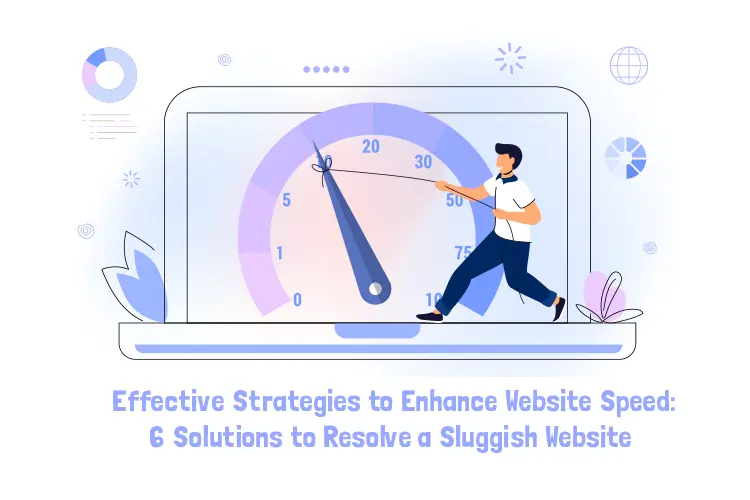
Frustrated with your website’s poor performance? Slow loading times not only deter visitors but also affect your search engines. In addition to turning off visitors, slow website speed can hurt you in search engine rankings. Thankfully, there are several proven techniques you can use to speed up your website and give users the best possible experience.
This post will discuss 6 practical solutions for speeding up a website and improving its functionality. However, before we do anything, let’s talk about some major disadvantages of a slow loading website. Customer satisfaction, search engine rankings, and overall business profitability could all suffer because of these shortcomings.
Here are a few of the Main Drawbacks of Slow Website Speed
- Poor User Experience: Slow-loading websites irritate users and give them a poor user experience.
- Decreased Conversions: Lower conversion rates might be the outcome of slow pages, particularly in e-commerce. Users are less likely to complete a purchase or take other intended actions if a page loads slowly.
- Decreased Engagement: Long-loading pages can cause users to lose interest.
- Increased Bounce Rate: This could be harmful to your website speed, usability and search engine ranking.
- SEO Penalties: When ranking pages, search engines such as Google consider page speed. which could prevent organic traffic from growing.
- Mobile Friendliness: On mobile devices with poorer internet connections, slow-loading pages can be particularly troublesome. This might make many of your viewers unhappy and damage your position on mobile search engines.
A slow-loading landing page may have a negative impact on your advertising campaigns by increasing expenditures and decreasing their efficacy. For example, Google Ads looks at how fast your webpage loads when deciding how good it is.
Effective Strategies to Enhance Website Speed
1. Optimize Images
Optimize photos for quick loading times. Web design depends heavily on images, now images can also cause a website to load far more slowly. This can be decreased by ensuring that the quality of your photographs is maintained while they are correctly compressed. Go for updated picture formats such as WebP, which provide superior compression without sacrificing visual quality. Delay the loading of images until they start to show on the user’s screen to save important loading time. This technology is also known as lazy loading.
2. Use Browser Caching
Use browser caching to reduce load times Browser caching is a powerful technology that stores frequently used website resources, such as images, style sheets and scripts, on the user’s device. This allows for faster loading on subsequent visits. By setting deadlines for different types of content, you can ensure that visitors receive updated versions of resources when needed. This not only improves download times, but also reduces server load and bandwidth consumption.
3. Enable Content Delivery Networks (CDNs)
Activate the CDNs (content delivery networks) Content delivery networks, or CDNs, spread the content of your website to multiple servers located all over the world. By making sure consumers receive data from a nearby server, this geographical spread reduces load times and delay. In addition, CDNs offer security and defense against spikes in traffic. The speed and functionality of your website can be significantly improved by integrating a CDN.
4. Minimize HTTP Requests
Reduce the number of HTTP requests Every component of your website, such as scripts, style sheets, and graphics, needs its own HTTP request. Your site will load more slowly the more queries it receives. Make your web design simpler by using fewer HTTP queries. Use CSS graphics or internal images to reduce the amount of components requested from the server, and combine JavaScript and CSS files.
5. Optimize Your Website Code
Optimize your website code Efficient and clean code is a prerequisite for a well-functioning website. Remove unnecessary spaces, comments, and unnecessary codes. Minify your CSS, JavaScript, and HTML files to remove extra characters without affecting functionality. Also, if possible, prioritize asynchronous loading of scripts so that important content is loaded without waiting for non-essential scripts to finish.
6. Choose a Reliable Web Hosting Provider
Select a trustworthy web hosting company. Its performance and speed are mostly dependent on your web hosting company. Select a reliable hosting provider with a strong infrastructure, sufficient bandwidth, and quick server response times. Although shared hosting can save money, because it uses shared resources, download speeds may be slowed. Consider switching to a dedicated or VPS hosting package for better performance.
Read more: Top 5 web hosting providers
Tools to Check Website Speed
In addition to implementing the strategies mentioned above, it’s essential to monitor and measure your website speed regularly. Here are some tools you can use to check your website’s speed:
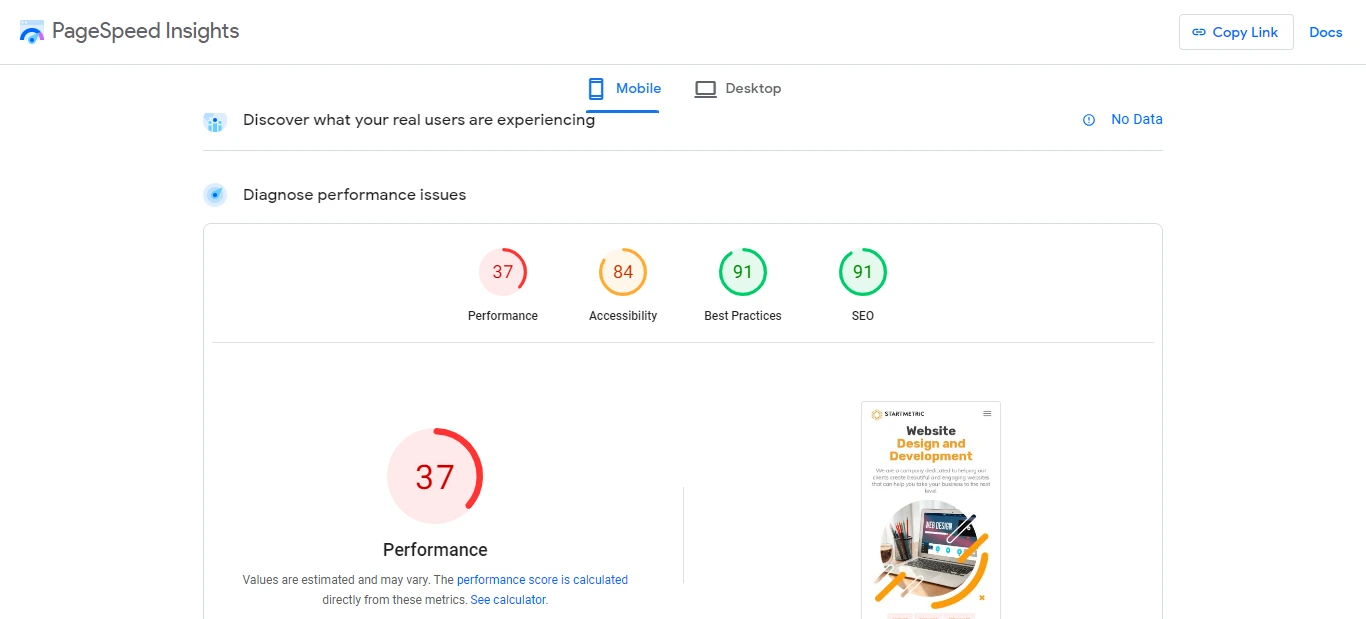
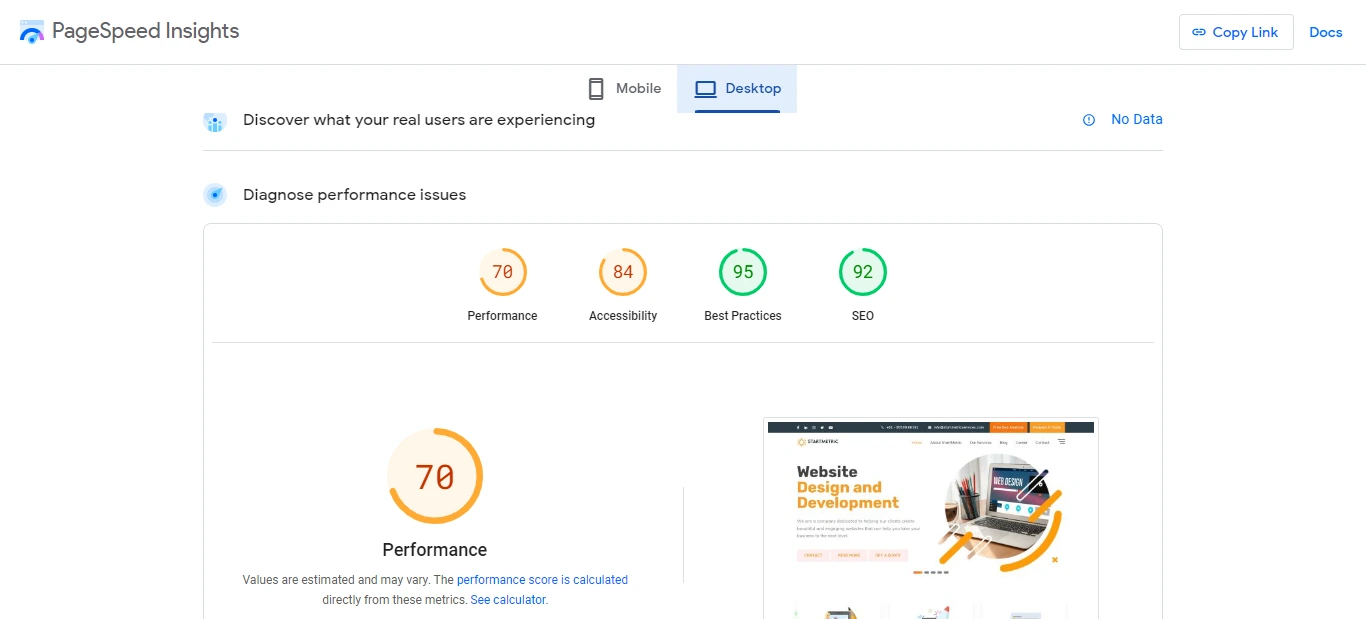
- Google Page Speed Insights: To help your website load faster, this application provides performance analysis and optimization suggestions.
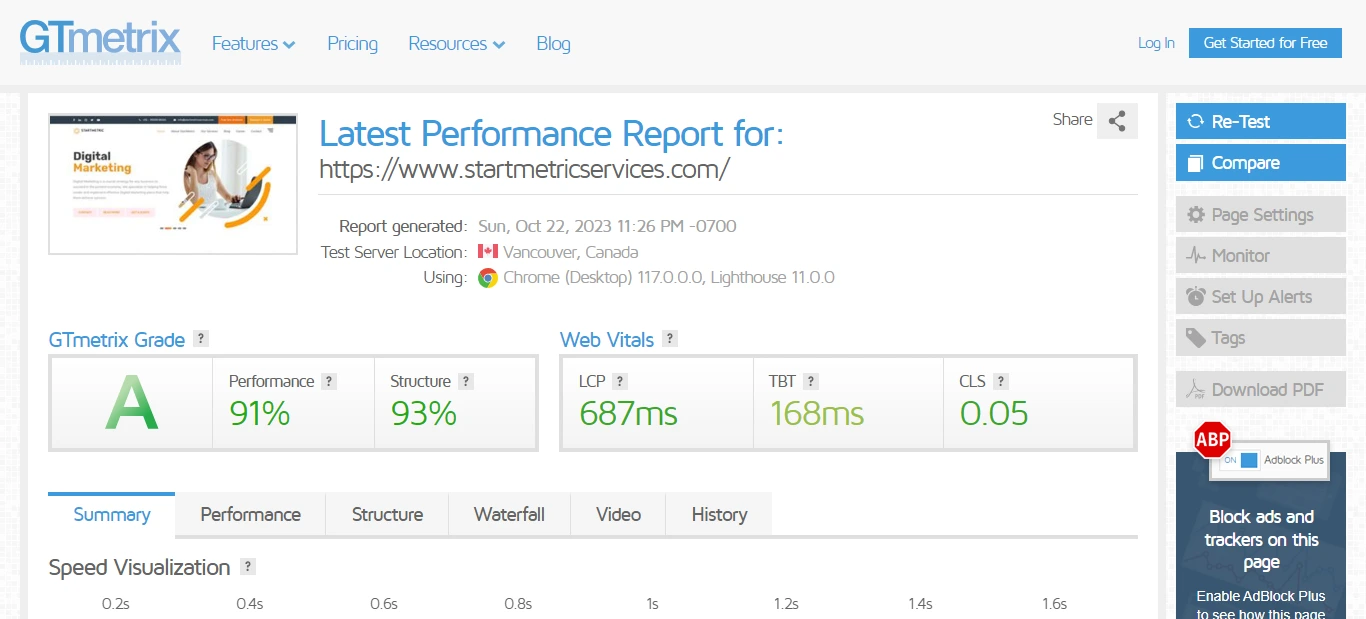
- GT metrix: In-depth analysis of your website’s speed and recommendations for improvements are provided by GT Metrix.
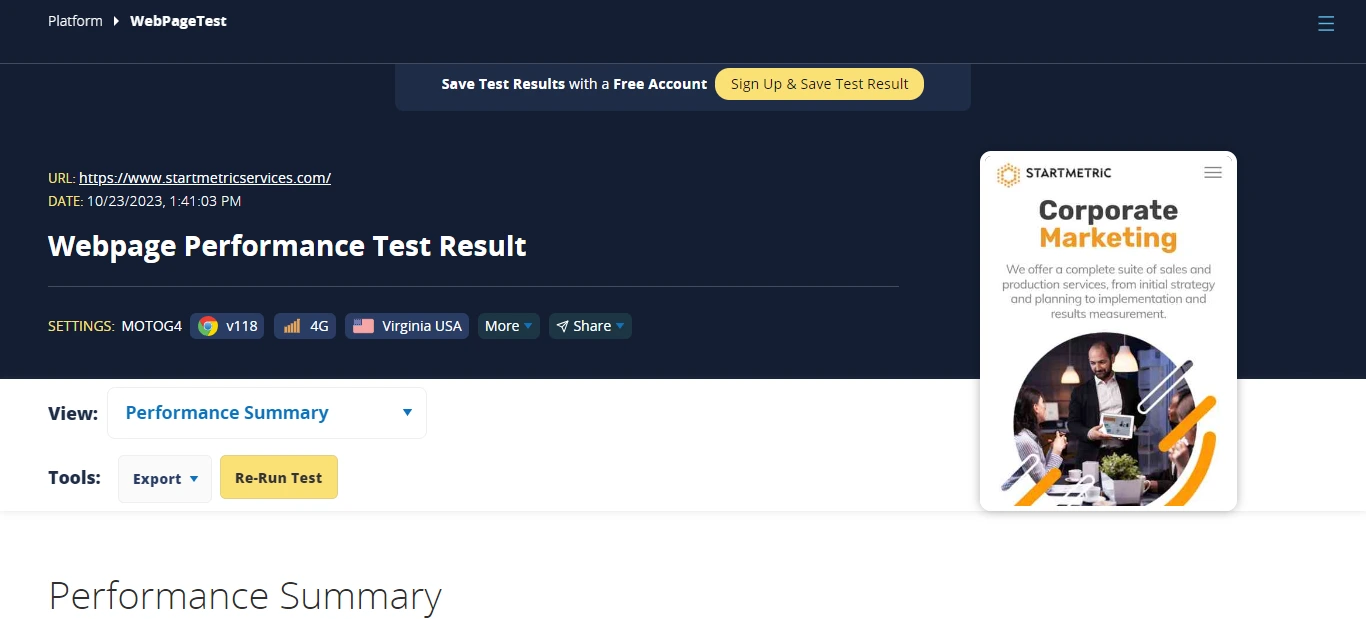
- Web Page Test: This tool will provide you an overview of your website’s performance and allow you to test its speed in many browsers and areas.
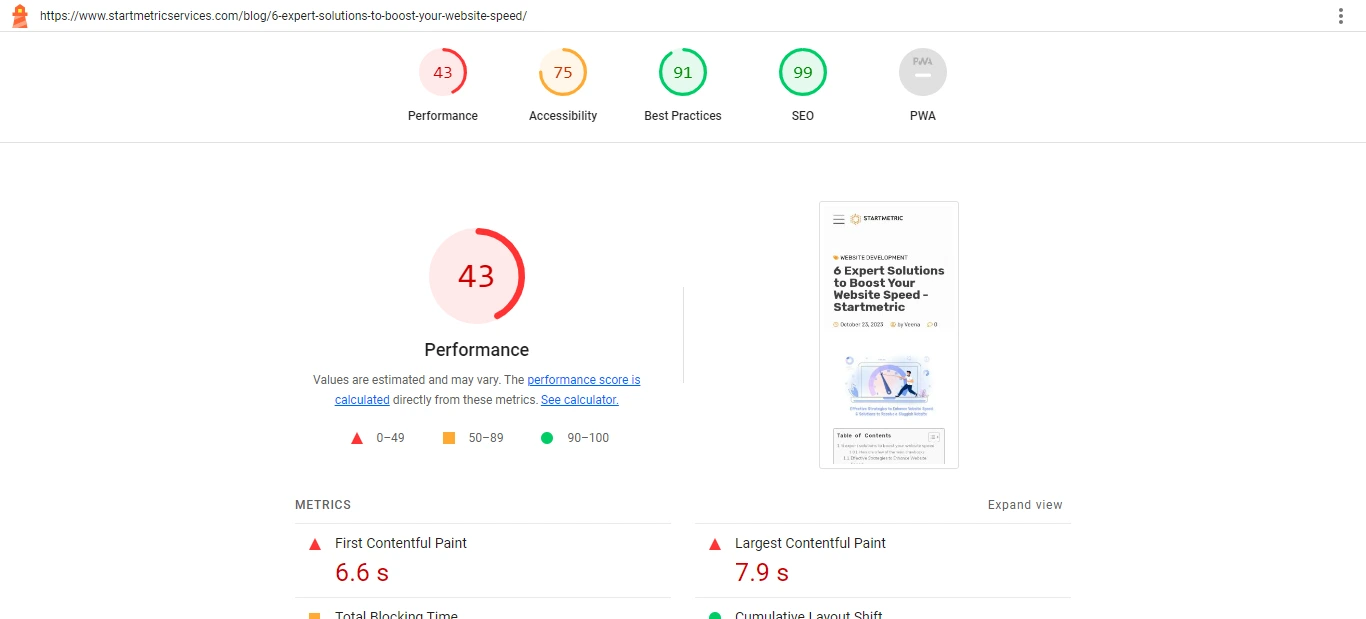
- Lighthouse (Chrome Dev Tools):
A built-in tool called Lighthouse is part of Google Chrome’s developer tools; it does an audit of your website for several aspects like SEO, accessibility, and performance.
Conclusion
Both SEO rankings and user experience may suffer from a slow website speed. You may greatly increase your website’s speed and functionality by putting these effective ideas into practice. In addition to being user-friendly, a quicker website plays a significant role in search engine optimization. Increase the speed of your website right now to enjoy the advantages of a flawless online presence.
Remember that constant monitoring and adjustment is necessary to maintain optimal performance. Test your website’s speed regularly and install updates to ensure your visitors enjoy a fast and smooth browsing experience.
]]>
Introduction
Your online presence depends on an attractive website, that’s essential for attracting and keeping interested users. Having an effective and successful online presence you need a web development company. In this short article, we will get into details about what web development is, why it is important and the various advantages of working with a reputable web development companies.
What is web development?
Web development includes every element of creating, constructing, and maintaining websites for the internet. It goes further than the basic website design and goes deep into the technology elements that give a website life and purpose.
There are two main parts to web development
- Front-end development, sometimes referred to as client-side development, is concerned with a website’s user interface and user experience. Front-end developers produce aesthetically appealing and interactive parts that consumers can view and interact with using languages like HTML, CSS, and JavaScript.
- Back-End Development: Also known as server-side development, this stage concentrates on a website’s internal workings. To assure data storage, security, and efficient server-side communication, back-end developers work with databases, server setups, and server-side programming languages.
What Is the Goal of Website Development?
Web development is no longer seen an option, but rather an essential. Here are a few reasons why you should invest in a web development company:
-
Building a Digital Identity
A well-designed website acts as your online store, allowing potential customers and visitors to learn more about your company, goods, or services from the comfort of their homes or mobile devices.
-
Increasing Your Reach
Through the internet, you can reach audiences outside of your local area on a global level. Your message will be seen by people worldwide if your website is properly developed.
-
Availability Every Day of the Week for a Full 24 Hours
In comparison to physical stores, websites are always open, enabling customers to interact with your content and make purchases whenever they’d want.
-
Utilising Your Knowledge
A website acts as an opportunity for companies to showcase their abilities and position. It helps you win over future customers’ trust while also showcasing your skills and expertise.
-
Better Interaction with Customers
An interactive website keeps users interested and motivates them to explore more of what you have to offer.
-
Obtaining Useful Information
With the help of web development, you can collect valuable information about user behaviour and choices, which will help you decide how best to improve your goods and services.
Web Designer vs. Web Developer: The Key Differences
-
Function and Focus
A web designer focuses most on the visual components of a website, such as layout, graphics, and user experience. A web developer, on the other hand, is in charge of the technical efficiency and functioning of the website.
-
Ability Set
Web designers are skilled in visual design, colour theory, and user experience (UX) design. Website developers are skilled in HTML, CSS, and JavaScript development.
-
Technical Skill Versus Creativity
Web designers create attractive websites that boost the brand of the business using their talent for design. However, one of the best qualities of web developers is their capacity for solving problems and transforming original concepts into practical solutions.
-
Working Together
Customers and web designers often work collaboratively to understand their brand identity and style choices. Together, web developers and graphic designers apply code to bring the design elements to life.
8 Advantages of a Web Development Company
No matter the size of the company, web development has become more important.
If you want to ensure that your business receives the proper exposure on a global scale, you may have to pay more attention to your website.
Applying high-quality web presence can be done in two ways. For your business, you can either work with a web development company or hire a developer full-time.
But using a web development company has a lot of benefits over working with a freelance developer. There are several advantages to working with a company, such as:
1. Knowledge and Experience
Web development companies use skilled professionals with years of company expertise. Their knowledge ensures a high-quality website that matches your objectives and company goals.
2. Individualized Solutions
A web development company takes the time to understand your specific requirements and creates a website which conveys your company’s personality while also reaching your goals.
3. Search Engine Optimization
Search engine optimization (SEO) strategies are well-known among web development companies. They optimize the structure and content of your website, increasing its exposure on search engines and boosting organic traffic.
4. Mobile Responsiveness
With increased mobile internet use, having a mobile-responsive website is necessary. A web development company makes sure your site looks and functions properly on all devices.
5. Technical Support and Maintenance
A web development company will provide ongoing technical support and maintenance for your website after it launches to make sure it runs safely and smoothly.
6. Scalability
The functionality and traffic of your website will grow along with your business. A knowledgeable web development company can build a scalable website that adapts to your changing requirements.
7. Concentrate on the Core Business
You may focus on your primary business operations by outsourcing web development, leaving the technical aspects to be handled by experts.
8. Competitive Advantage
A well-designed website sets you apart from the competition by making an impression on visitors and potential customers that lasts.
Conclusion
A great online presence requires a strong basis in web development to reach its full potential. This includes everything from developing a beautiful front-end design to boosting back-end performance, all of which have important components for creating a website that is not just attractive and captivating, but also user-friendly. Using expert web development services helps organisations and individuals to effectively interact with their target audience, increase online visibility, and build trust.
Working with a seasoned web development business is essential, though, if you want to fully benefit from web development. Their ability, understanding of technology, and constant dedication to quality will enhance your website and set it apart in the competitive online market.
]]>
Top Reasons Why Your Business Needs A Website in 2023
Introduction
The internet has revolutionized how businesses communicate and reach out to their customers. A website is essential for any business wishing to stay competitive in today’s ever-changing digital landscape. Not only does a website provide potential customers with information about a company, but it also serves as a crucial marketing tool.
A website is one of the most cost-effective ways of advertising a business or brand. It helps to build trust with customers and make them feel they are dealing with a legitimate company by providing detailed information about services, products, and contact details. It also helps showcase customer testimonials, reviews, awards, and certifications that further bolster credibility and trustworthiness. Moreover, having an online presence helps boost search engine rankings, increases visibility on the web, and brings more visitors to your site who may eventually become paying customers.
Importance of Websites
Websites are gaining immense priority in today’s digital world. Owning a website can help people and businesses stay connected, promote their services, and increase their visibility online. Establishing an effective website is one of the most crucial steps to success in any industry.
A well-designed site provides potential customers with information about products and services and establishes credibility for businesses. It allows customers to easily access updated content about company news, events, promotions, or other valuable information. Websites also serve as an efficient platform for customer service or support inquiries that would otherwise require phone calls or emails back and forth between businesses and customers. Furthermore, having a website is essential for search engine optimization (SEO) and helping your business rank higher on search engine results pages (SERPs).
Top Reasons Why Your Business Needs A Website
With technology becoming more advanced every day, having an online presence is no longer a luxury; it is a necessity for any business in the 21st century. Owning a website is the most effective way to create and maintain a successful business in today’s digital age. By 2023, maintaining a website will be crucial if you want your business to remain competitive and relevant. The following article provides insights into why enterprises should have a website by 2023, including increased customer reach, improved brand recognition, and better credibility.
-
A Website Helps in Increasing Brand Awareness
A website is a powerful tool that helps businesses increase brand awareness. It is a great way to reach current and potential customers with information about products, services, promotions, and contact details. Not only that, but a website also helps to boost your online presence, making it easier for customers to find you—no matter where they are in the world.
Owning an accessible, easy-to-use website can help create a positive impression of your company. Through well-placed content like images and videos, you can illustrate what sets you apart from the competition and why people should choose your brand over others. Additionally, having an online store makes it possible for customers to purchase items directly through your website, so they do not have to leave the comfort of their own homes – something which is particularly attractive during these times of pandemic restrictions!
Once the site is up and running, it is crucial to regularly update it with fresh content to keep people interested in what you have going on. It could include posting new images or videos of products or services, sharing success stories from customers, or blogging about industry trends.
-
A Website Improves your Credibility
Owning a website is more than just having an online presence; it also acts as an identity proof of your credibility. Maintaining a website helps establish legitimacy, authority, and trustworthiness for you or your brand. It gives off the impression that you are serious about what you do and as you have something valuable to share with the world.
A website is like having an online portfolio, where people can get to know and understand who you are in one glance. You can include testimonials from previous customers or clients, showcase your achievements and success stories, display certifications and awards, or provide access to resources such as articles written by yourself or others in the industry. It helps potential customers determine whether they should entrust their business or not. Additionally, websites create an additional sales channel for businesses to reach new customers and build relationships with them over time.
-
Your Website can Attract New Customers (Organic traffic)
Developing and maintaining a website allows customers to find information about your products and services faster and is also a powerful tool to attract new customers. A well-designed website that appeals to potential customers can help you increase organic traffic, meaning visitors who search for your business or products online without paid advertisement support.
If you want your website to stand out from the competition and stay ahead of the curve, then focus on creating content that will draw in organic traffic. Start by optimizing your website for search engines to ensure it appears higher in Google’s rankings when potential customers search for related terms. Additionally, update your site regularly with quality content with blogs and videos tailored toward popular topics within your industry.
-
A Website can Showcase Your Offers
A website is a great way to showcase the offers you have available for your business. It allows potential customers to obtain more about your products and services before making a purchase. A website can attract more customers and help increase sales by providing an attractive, easy-to-use platform for sharing product information, discounts, and special offers.
Owning a website allows you to display information on the goods or services you provide in an organized way. It will be easier for prospective customers to find what they are looking for and make it simpler for them to purchase from you. You can also add pictures, videos, special offers, and more that will help create interest in your products or services.
Overall, having a website is beneficial when it comes to showcasing offers that are available from your business. It helps create visibility and awareness among potential customers leading to more sales and growth for your organization.
-
Website Provides Better Customer Service
When it comes to customer service, a website can be a perfect resource for both businesses and their customers. A website provides quick and easy access to crucial information that customers need to make informed decisions. With a well-designed site, enterprises can offer better customer service by ensuring that the most relevant and up-to-date information is readily available.
Having helpful resources such as FAQs, tutorials, contact forms, product reviews, and more on their website, enterprises can provide customers with comprehensive support no matter what time of day or night it is. These resources also allow customers to find answers quickly without needing assistance from customer service executives, which helps reduce wait times and inconvenience for the customer. In addition, providing these services online makes them accessible across both computers and mobile devices, so they are available when needed most.
-
You can Promote Your Existing Customer Reviews on Your Website
Every business owner wishes for happy customers. One of the best ways to do this is by allowing them to leave reviews on your webpage. Encouraging customer feedback helps you gauge how people feel about your business and help you make improvements where necessary. The customer reviews on your site can help promote new products and services. Making your customer reviews live on your webpage will help increase engagement and boost brand loyalty.
When setting up customer reviews, it is crucial to set up filters so that irrelevant or offensive material won’t appear on the page. You should also customize the page design according to the look and feel of your brand identity. It will help ensure that visitors know they are still interacting with your business when they see these reviews posted on-site.
-
Your Customers Can Easily Contact You Using Your Website
How customers interact with enterprises’ have changed drastically over the years. In today’s digital age, having a website is essential to give customers a convenient and efficient way to reach out for help or inquiries. Websites are undoubtedly one of the best platforms for enterprises to use to empower their customer engagement rate and build quality relations with their potential customers and existing clients.
Managing a website allows customers easy access to contact information such as phone numbers, email addresses, and physical addresses. It makes it simpler for them to get in touch with a simple approach without having to search hard for it. Providing visitors with multiple contact options will give them more confidence in your business, as they will see that you are devoted enough to make communication easy. Additionally, having online chatbot services or live chat support on the website can be very helpful in providing immediate assistance when needed.
-
Your Website Acts as a Catalyst to Boost Your Online Marketing Efforts
In today’s digital age, having a website is vital for any business that wants to succeed in marketing its product or service. A website provides a crucial platform for businesses to showcase their products and services and build relationships with potential customers. Websites are undoubtedly one of the best platforms for companies to make direct customer interactions.
Creating a website is essential for effective online marketing and helps increase brand awareness and loyalty. With the right design, content, and navigation features, companies can create a user-friendly experience that will attract visitors and keep them engaged. Additionally, an attractive website can help draw attention and encourage people to stay on the site longer, which could lead to sales opportunities. Furthermore, websites provide businesses with valuable analytics data that they can use to track trends within their customer base and optimize their online presence accordingly.
-
Every One of Your Competitors Maintains their Website
It is crucial to understand that every one of your competitors is likely maintaining their site. You can consider it as a motivational element to get ahead in the industry. With the right attitude and planning, you can use this knowledge to take advantage of opportunities and outdo your competition.
By staying informed and researching each of your competitor’s websites, you will gain valuable insight into what they are doing to be competitive. It allows you to adjust or develop a new strategy if necessary and ensures that all the bases are covered for you to come out on top. You may even find some of their tactics easily replicable or improved with your unique spin.
-
Generates Higher Returns
Websites provide an interactive platform to engage with customers and build your brand. But more importantly, websites can help you maximize your return on investment (ROI).
There is no denial of the fact that developing and maintaining a website requires an initial investment of time and money but offers tremendous potential for growth in the long term. You can build a website with features such as search engine optimization (SEO), unique design, and user-friendly navigation and ensure that your site generates traffic and leads. Additionally, you can use targeted marketing campaigns to drive even more people to your site. These aspects deliver higher ROI as visitors convert into paying customers or donors.
Conclusion
In conclusion, having a website for your business in 2023 is essential. It is the best way to reach potential customers, create an online presence and develop a brand identity. Additionally, it will help you expand into new markets and attract more investment opportunities. Furthermore, having a website is cost-effective and easy to maintain. Finally, it increases customer satisfaction by providing them with information about your products and services quickly and easily.
]]>
We are living in the online era and with a lot of data to consume, people are losing their attention span. They just need simple, precise and crisp data that they can understand easily and quickly. Now, at this point, it is more difficult for businesses to make their audience visit and stay on the website.
However, like with every modern problem, there is a solution. Utilizing the power of UI/UX design, businesses can build a more attractive and much simpler website that compels the user to take action as per your wishes. There are a lot of reasons and benefits of adopting these processes, but before we move on to them, let us first have a clear understanding of UI and UX.
What is UI and UX?
UI, or User Interface, is all about how interactive your website is. In simple words, a UI tells or guides your user throughout the website and also directs their attention towards taking certain steps. Let us try to understand the concept of UI with an example:
Suppose, you are in a supermarket and you need to buy three different items like grapes, a glass bowl, and some scented candles. Now, to navigate through the three different segments, you will need help. The staff is always there to help you and you can ask them.
However, you would highly appreciate it if there are clearly visible boards marking the direction of these segments. Now, these boards specifying the direction is an example of UI.
A better UI means it is easier and more comfortable for your visitors to navigate through your website.
Moreover, if your website and its colors look beautiful and attractive, they further strengthen the impact of your UI. Besides, a good UI makes way for a good UX.
Now, UX, or User Experience, is all about the kind of experience a user gets on your website. It covers multiple parameters like the structure, alignment, speed, smoothness, etc. of your website.
While a great UI grabs your user’s attention, a good UX offers a lasting impression to the visitors.
What is the Importance of UI and UX Design?
Consider the following questions:
- Why do you want the user to visit and stay at your website?
- How will you direct a user to take the desired action?
The answer to the first question is obvious that you either want them to purchase your product or service or get them to take a particular action. However, the answer for the second one is undoubtedly a great UI and UX Design.
If we discuss the importance of UI/UX Design, it is clear that a website that looks attractive and offers a great experience will surely get a lot of visitors.
At present, the users have so many options to choose from. In such a scenario, you can employ UI and UX to grasp the attention of the users and provide them exactly what they are looking for. Additionally, this will make your users feel comfortable on your website and once they become comfortable, the chances of conversion will increase further.
Furthermore, if you are facing stiff competition or you own a start-up, a dynamic UI and UX design can give you the much-required edge over your competitors.
What are the Benefits of UI/UX Design?
As discussed earlier, there are multiple benefits of UI/UX Design. Let us have a look at some of them:
-
Enhances Customer Satisfaction
People buy costly mobile phones and laptops only for a great experience. When they visit your website using a high-end device, they expect amazing visuals and a smooth experience. A better UI/UX design means that the visitors find everything easily and their navigation process is rather smooth giving them a great experience. This, in turn, satisfies the visitors.
-
Increases Traffic on the Website
When a satisfied visitor leaves your website, he or she is most likely to discuss the experience with others or recommend your website, thereby, increasing the traffic on your website. Moreover, the UI and UX designs will further reduce the bounce rates (visitors leaving your website within a few minutes). This might improve your rankings on search engines like Google, Yahoo, etc., and you already know the meaning of improved rankings.
-
Increases Conversions
When the traffic of your website increases, the number of conversions is bound to increase. However, with amazing UI and UX design in place, you can strategically arrange the ‘call to action’ buttons all over the website to drive more conversions.
-
Improves ROI
When your visitors are satisfied, you are receiving high traffic, and your conversions are also increasing, this all means that your ROI (or Return on Investment) is surely improving.
What are the Key Components of UI/UX Design?
The key components of UI/UX Design include the following:
-
Information Architecture (IA)
Information Architecture is all about the information structure of the website. The best practice dictates that the IA should satisfy the business strategies by designing the website accordingly, and at the same time, it should offer easy navigation to the users.
-
Interaction Design
It is one of the most important elements, and it requires utmost precision and planning. Interaction design refers to the conceptual design of the website. It includes elements like colours, aesthetics, animation, fonts, motions, sounds, icons, space, graphics, etc.
-
Usability
Usability can also be termed as user-friendliness. This helps you to get a clear perspective of whether the website is easy to navigate for first-time visitors or not. Moreover, it also gives you an idea of whether the user can find relevant information during the first visit or not.
-
Wireframing
It is a cheap way to test the functionality of the website, by creating a test website, so you can make the necessary changes.
-
Visual Design
Visual design relates to the overall appearance of the website and it is more like defining your brand. It is because the users associate your brand with those colors, designs, and graphics, etc.
Related Blogs:
Top 4 Benefits of Having a Website for Your Business
How to Build a WordPress Website from Scratch?

The current pandemic scenario and rising usage of the internet have brought about major changes in the business industry. When people are afraid to step out, businesses have started reaching their homes through mobile phones. All businesses big and small have started shifting online to sell their products.
This has opened up a lot of opportunities for new and existing businesses alike. From grocery stores to medical consultation and from clothes to toy stores, everything is available on our phones. If you haven’t set up your online business already, now it’s a perfect time!
There are two major ways to shift online:
- Registering as a seller on any E-Commerce site and
- Setting up your own website
Now, registering as a seller on any E-Commerce website might not be an option for every business and it is not that profitable either. Therefore, it is better to create your own website.
Let us have a look at 4 major benefits of having a website for your business:
1- 24/7 Accessibility for Customers or Clients
When you set up a website for your business, you get a 24/7 presence globally. Any of your customers or clients can access your website at their convenience and they do not need to adjust their busy schedules as per your timings.
Additionally, the customers can easily find your business online by just searching your name. These added conveniences to the customers and clients drive conversion as they can place their orders even during their office hours or at midnight from the comfort of their beds. There is absolutely no restriction for time and place.
2- Branding and Credibility
One of the most important benefits of creating a website for your business is the fact that you get to focus on the branding of your business. This, in turn, not only increases recognition among your customers but also builds credibility.
3- Better Marketing and Increased Sales
The importance of having a website for your business is not limited to promoting your products on the website but you also get a chance to push your products on Search Engine Rankings and on various Social Media Channels.
4- Cost-effective
When you run your business online, you incur a lot of money to buy or rent the premises, maintain the office or shop, buy machinery and equipment, hire staff, etc. However, you do not need to pay for any of these expenses when your business is online. Building your website is a one-time investment. For hosting and domain, you just have to pay a fragment of your rent on a yearly basis.
Additionally, the money spent on Digital Marketing is way too less than that spent on traditional marketing techniques. So, you do the math!
These are the four major benefits of having your website and there are multiple other advantages like consumer insights, competitors monitoring, wider reach, targeting area-specific customers is easy, a great medium for engagement between you and your clients, etc.
While all this seems enticing, the main issue is to build a dynamic website. You might come across many people and teams who claim to provide a website that gives the best possible ROI (Return on Investment). However, not all of them are able to deliver their claim. This is where Start Metric Services comes in.
Our team of experts will provide Website Development Services that will exceed your expectations to deliver a website you could be proud of.
Related Blogs:
How to Build a WordPress Website from Scratch?
How to Promote Products or Services Online
Building a website might seem like a difficult task but it is quite easy even if you have zero knowledge. There are numerous website builders, tools, and themes that make creating a website as simple as using a new application.
Let us find out how to create a website from scratch.
Step 1 – Choose a Domain Name

A domain name basically acts as an address to visit your website. For example, to visit our website, you will have to enter startmetricservices.com. Similarly, google.com is the domain for google. You should choose a domain name that is short and easy to remember and at the same time aligns with your brand identity.
The first step you need to take is to register for a domain. There are many companies providing domain registration services like GoDaddy, Name Cheap, Hostinger, Big Rock, etc.
Step 2 – Choose a Web Hosting Service

There are hundreds and thousands of web hosting providers in the world. You must be extra careful while choosing a hosting service as the performance of your website heavily depends on the hosting provider.
Step 3 – Set Up Your Website on WordPress
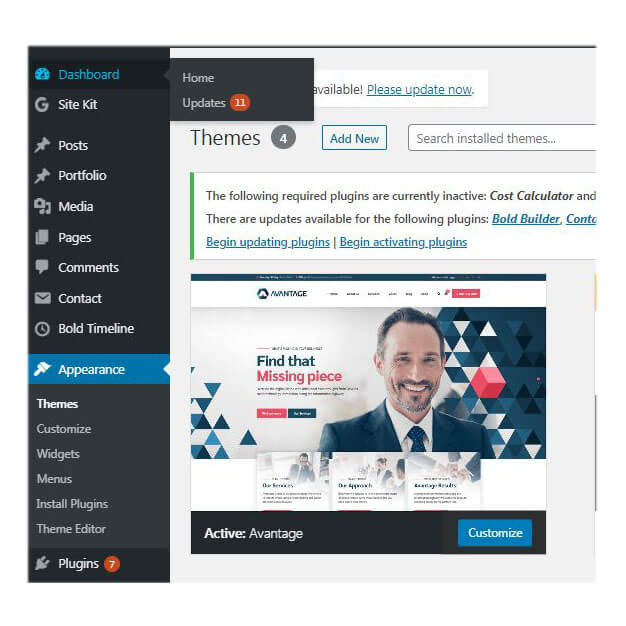
Another step in our guide on ‘how to develop a website’ is to set up a website. Let us understand how you can set up your website using WordPress by following these steps:
- Log on to your hosting account
- Connect your Hosting and domain
- Install WordPress on your Hosting
- Start creating your website
Step 4 – Customize Your Website
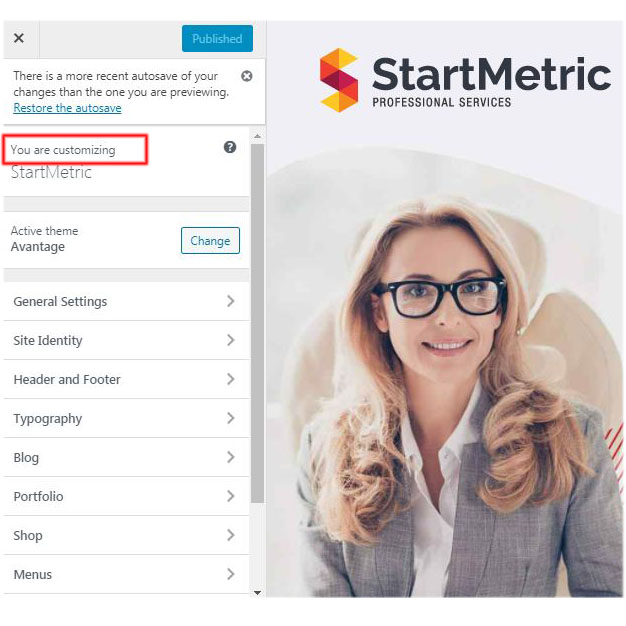
Once you have set up your website through your web host, it is time for you to customize its design and structure. There are a number of free themes available on the WordPress website and you can also opt for any paid theme depending on your taste and preference. Additionally, you will have to customize the structure of your website according to your product or service.
Step 5 – Add Pages, Content, and Graphics
After customizing your website, you can now add the required number of pages in which you can add content and graphics accordingly. The option to add pages is available on the Dashboard of WordPress. You can further add content and graphics on these pages separately. While adding content and graphics, you can also pay attention to on-page SEO and add keywords that could help you rank on search engines.
Step 6 – Set Up a Navigation Menu
A website menu or a navigation menu will complete the website building process. Follow these steps to set up your navigation menu:
Appearance → Menus → Create a New Menu → Add Pages to Your Menu → Save your menu
Now, your website is ready. You can add more things depending on the purpose of your website. We hope we have given you some reliable tips on how to build a website from scratch. Stay tuned to our website for more tips and information.
]]>