How the Numbers Tell a Different Story
According to the UK Games and Entertainment Association, mobile game revenue grew by 12 % last year, reaching £1.2 billion. That figure eclipses the £950 million earned by console titles in the same period. The average spend per mobile player is £12, compared with £28 for console users. These statistics show that while mobile users spend less per session, they play more frequently, creating a steady stream of engagement.
One concrete example is the rise of casual puzzle titles. A single download of a popular match‑three game can generate up to £0.50 in micro‑transactions per user per month. Multiply that by millions of downloads, and the revenue becomes significant. This model also supports a broader ecosystem: developers can release free versions, then monetize through optional in‑app purchases or ads.

Device Evolution and Game Design
Smartphones have evolved from 2 G to 5 G, and screen sizes now average 6.5 inches. This hardware progress allows developers to create richer graphics and smoother animations without draining battery life. As a result, games that once required a console can now run on a phone with a 60 fps frame rate.
Game designers have adapted by focusing on short, repeatable sessions. A typical mobile match‑three level takes 2–3 minutes, while a strategy game might offer a 15‑minute “quick play” mode. This design philosophy aligns with the average UK commuter’s 25‑minute train ride, turning idle time into entertainment.
Community and Social Integration
Mobile platforms support instant sharing. Players can post high scores to Twitter or send a challenge to a friend via WhatsApp. In 2023, 63 % of UK gamers reported that social features influenced their choice of game. The ability to compete or cooperate in real time turns a solitary activity into a communal one, fostering friendships and rivalries across the country.
Accessibility and Inclusivity
Touch controls and voice‑over support have made mobile gaming more inclusive. A 2022 survey found that 18 % of UK gamers with visual impairments use screen‑reader friendly titles. Developers are responding by adding adjustable font sizes, high‑contrast modes, and haptic feedback, ensuring that a broader audience can enjoy the experience.
Mobile Gaming Meets Online Entertainment
While mobile games provide quick bursts of fun, many players also seek longer, more immersive experiences. The same skills—strategic thinking, quick reflexes, and social interaction—translate seamlessly into online casino play. Ninewin Casino Login offers a platform where users can apply their gaming instincts to a variety of table games and slots, all optimized for mobile devices.
For example, players can log in at Ninewin Casino Login to test their skills.
Future Trends to Watch
Artificial intelligence is already influencing game narratives. In 2024, a UK studio released a role‑playing game that adapts storylines based on player choices in real time, using machine‑learning algorithms. This level of personalization is expected to become standard, blurring the line between player and co‑author.
Virtual reality (VR) on mobile is still in its infancy, but the introduction of foldable phones could make lightweight VR headsets a reality by 2026. If that happens, the next wave of mobile entertainment will combine tactile immersion with the convenience of a pocket‑sized device.
Conclusion
Mobile gaming has reshaped the UK entertainment landscape by offering instant, accessible, and socially connected experiences. Its growth is measured in revenue, player numbers, and the way it integrates with everyday life. As technology advances, the line between casual play and immersive entertainment will continue to blur, promising even more engaging ways to spend our free time.
]]>1. The Lake District – Play, Hike, and Recharge
Windermere’s lakeside town boasts more than just rowboats. The Lake District National Park has several high‑speed broadband hotels; the Lakeview Lodge advertises 100 Mbps fiber, enough for 4K streaming or a quick round of competitive multiplayer. After a morning of “Fortnite” or “Apex Legends”, step outside for a 2‑hour hike up Orrest Head – a 1.5‑mile loop that offers a panoramic view of the fells. The hike doubles as a natural hand‑warm‑up before you settle back in for an evening of co‑op board games at the on‑site lounge.
Practical tip: book a room with a dedicated “gaming nook” – a small desk, a power strip, and a blackout curtain. It costs roughly £20 extra per night but saves you the hassle of rearranging furniture.
2. Edinburgh – Castle Views and Console Nights
Scotland’s capital packs history into every cobblestone, yet its tech scene keeps the Wi‑Fi strong. The Grassmarket Hostel offers private rooms with a 150 Mbps connection, and the common area includes a 55‑inch smart TV pre‑loaded with Steam Link. Spend Saturday morning exploring the Royal Mile, then return to the hostel for a late‑night “Rocket League” session. The city’s compact layout means you can walk back to your room from the castle in under ten minutes – perfect for a quick bathroom break between matches.
Don’t miss the local pubs that double as gaming hubs. The “Brew & Bytes” bar runs a weekly “Indie Game Night” where you can try titles like “Hades” or “Celeste” on a shared console, all while sipping a locally brewed ale.
3. Brighton – Beachside Battles and Retro Arcades
Brighton’s seaside charm is matched by its retro gaming culture. The Seaside Suites provides rooms with a 200 Mbps line and a small gaming cabinet that includes a Nintendo Switch and a PlayStation 5. After a morning of surfing lessons on the pebbled beach, you can challenge friends to a “Mario Kart” race in the lobby. The city’s famous Lanes – a network of narrow alleyways – house several arcades; the “Pixel Palace” still runs a functioning Pac‑Man machine from 1982.
For a change of pace, book a sunset yoga session on the pier; the calm will balance out the adrenaline of a fast‑paced shooter you might play later that evening.
Mid‑Article Aside – A Digital Detour
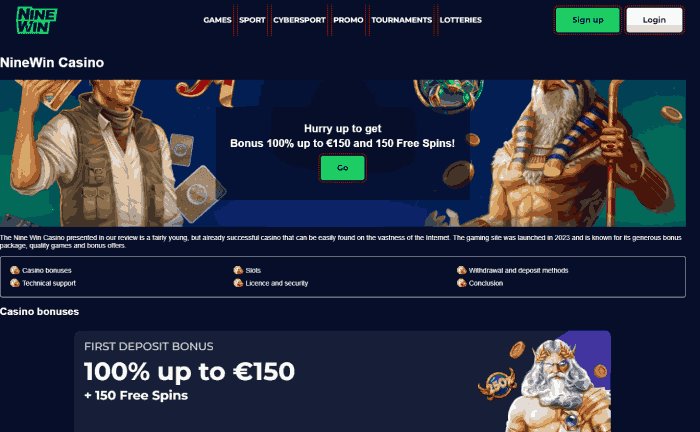
While the above spots cater to offline play, many gamers also enjoy a quick dip into online casinos during downtime. If you ever feel like swapping a controller for a slot machine, check out Ninewin Casino for a reliable platform you can access from any of these destinations.
Practical Considerations for All Trips
- Connectivity: Aim for at least 50 Mbps download speed; anything lower will cause lag in most modern games.
- Power: Bring a universal travel adapter and a portable power bank – a dead controller is the worst kind of vacation souvenir.
- Local Regulations: Some historic inns restrict the use of high‑powered routers; call ahead to confirm.
- Packing List: Pack a lightweight headset, a spare HDMI cable, and a compact mouse if you plan to play PC titles.
Wrapping Up the Weekend
Choosing between a lakeside trek, a castle‑filled city, or a beachside arcade depends on your personal flavour of fun. Each location offers reliable internet, comfortable lodging, and a local scene that welcomes gamers. With a bit of planning – a room with a strong Wi‑Fi signal, a charger, and a schedule that balances outdoor activity with screen time – you’ll return home feeling refreshed, not exhausted. So pack your bag, charge your console, and let the UK’s diverse landscapes become the backdrop for your next gaming weekend.
]]>